Home Care vs. Nursing Home: What's Best for Your Loved One in Illinois?
Home Care vs. Nursing Home: What's Best for Your Loved One in Illinois?
When a parent or spouse begins to need more help with daily life, families often face one of the most emotional decisions they will ever make: Do we find home care, or does our loved one need to move to a nursing home? There is no single right answer — but there is a right answer for your family. This guide breaks down the key differences between home care and nursing home care in Illinois, so you can make a confident, informed choice.
At Universal Metro Aging Services (UMAS), we work with Illinois families every day who are navigating this exact crossroads. Our goal is to give you honest, clear information — not a sales pitch.
Understanding Your Two Main Options
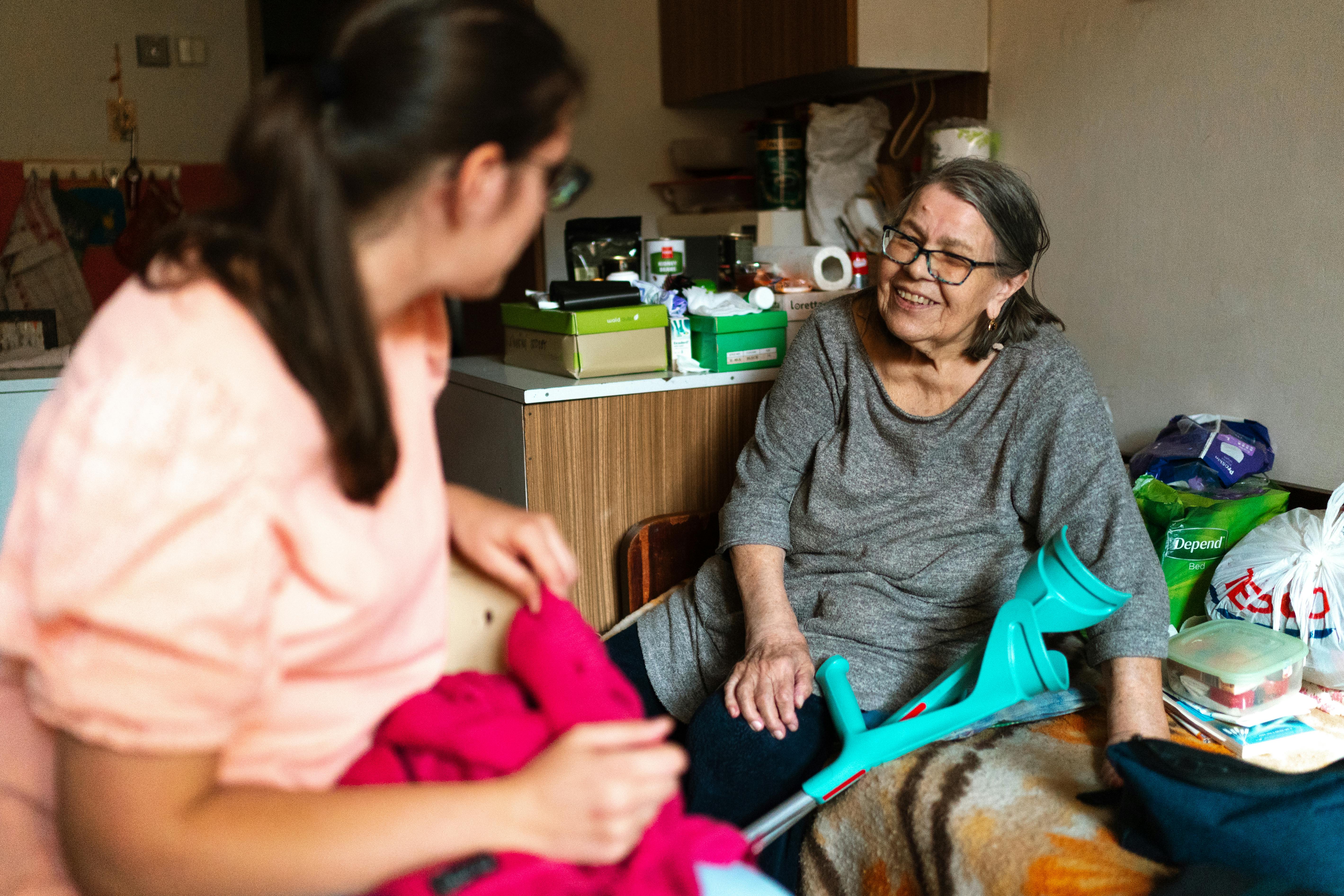
Home Care refers to professional support services delivered in your loved one's own home. Caregivers can help with bathing, dressing, meal preparation, medication reminders, light housekeeping, companionship, and in some cases, skilled nursing or therapy. Care can range from a few hours a week to 24/7 live-in support.
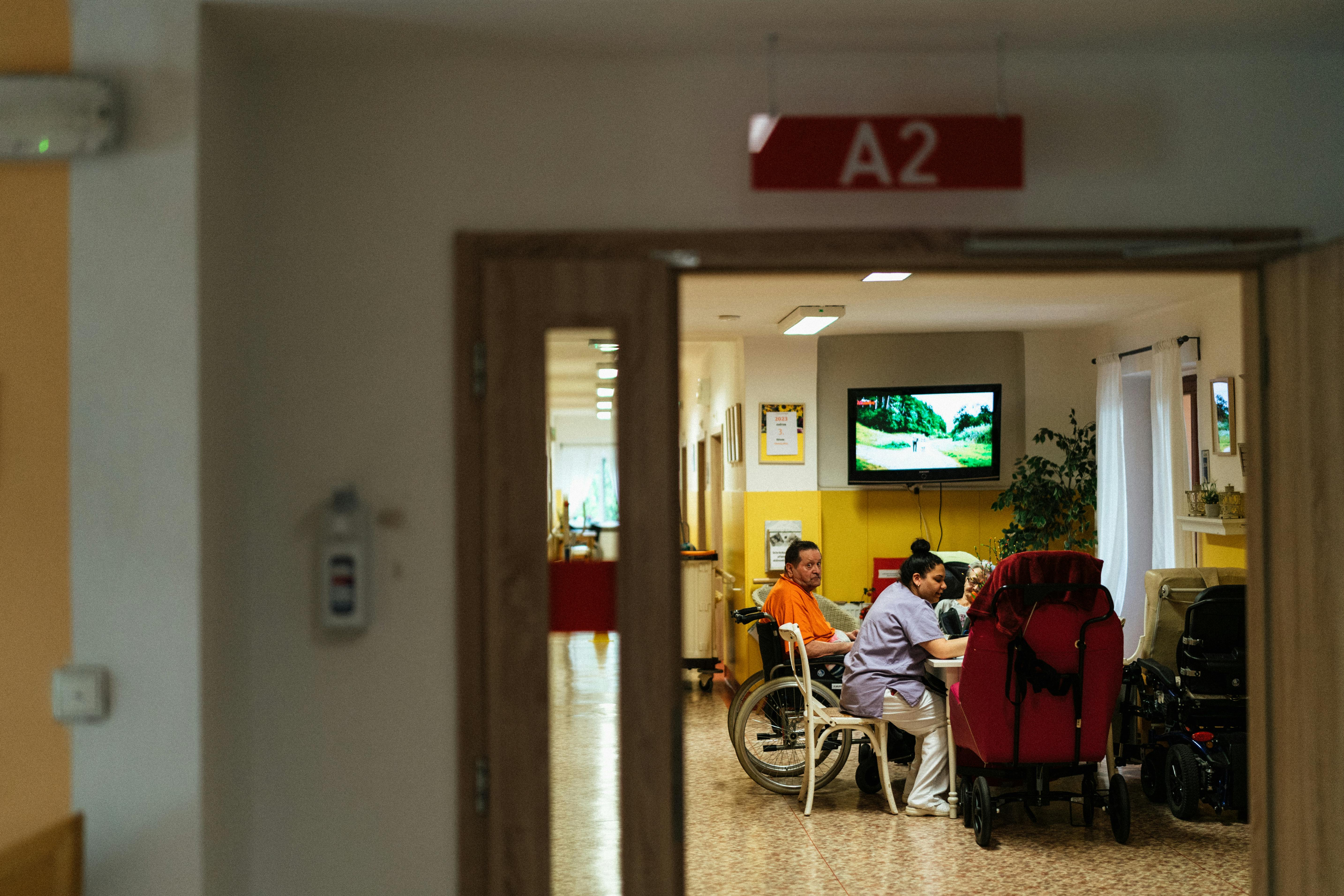
Nursing Home Care (also called skilled nursing facility care) provides around-the-clock medical and personal care in a licensed residential facility. Nursing homes are staffed with nurses, aides, therapists, and physicians who can manage complex, ongoing medical conditions.
The right fit depends on your loved one's medical needs, personal preferences, financial situation, and how much family support is available.
Side-by-Side Comparison: Home Care vs. Nursing Home in Illinois
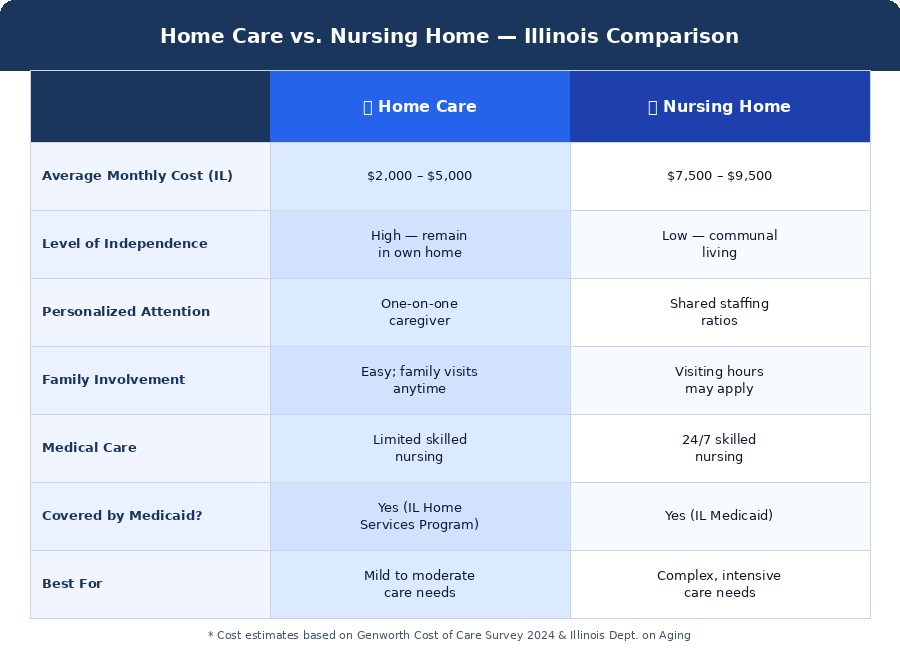
Here's a quick look at how the two options compare across the factors that matter most to Illinois families:
The Cost Reality in Illinois
Cost is often the deciding factor for families. According to the Genworth Cost of Care Survey 2024, the median annual cost of a private room in an Illinois nursing home is approximately $90,000 to $115,000. By contrast, full-time home care (40 hours per week) averages around $55,000 per year — and part-time care is significantly less.
Both options may be funded through Illinois Medicaid. Nursing home care is covered under standard Medicaid for those who qualify. Home care is funded through the Illinois Home Services Program (HSP) and the Community Care Program (CCP), both administered by the Illinois Department on Aging. The state served over 51,000 seniors through community care programs in 2023 alone, demonstrating strong public investment in keeping people home.
Veterans may also be eligible for home care benefits through the VA Aid & Attendance program or other VA programs — another important funding source to explore before assuming a nursing home is the only option.

Quality of Life: The Factor Families Often Overlook
Research consistently shows that most seniors strongly prefer to remain in their own homes. A landmark AARP survey found that nearly 90% of adults over 65 want to age in place rather than move to a facility — and this preference itself has a measurable impact on wellbeing.

Home care supports that preference. It allows your loved one to:
Stay in familiar surroundings that provide comfort and a sense of identity
Maintain control over their daily routine and schedule
Preserve relationships with neighbors, friends, and community
Receive one-on-one attention from a dedicated caregiver
Have family members visit freely, at any time
Nursing homes, while often providing excellent medical care, involve a major lifestyle transition — shared rooms, communal dining, institutional schedules, and limited privacy. For seniors who are medically stable but need daily assistance, this adjustment can be difficult and is associated with higher rates of depression.
When Home Care Is the Right Choice
Home care is often the best option when your loved one:
Needs help with daily tasks (bathing, dressing, meals, transportation) but is medically stable
Has mild to moderate cognitive impairment, such as early-stage dementia
Values independence and has expressed a strong desire to stay home
Has family members nearby who can provide additional support
Would benefit from socialization through an adult day program in addition to in-home care
If your loved one could benefit from both in-home support and structured daytime activities, UMAS offers an Adult Day Care Program in addition to home care services. This combination provides the best of both worlds: in-home assistance in the mornings and evenings, and meaningful daytime engagement at our center.
When a Nursing Home May Be the Better Choice
Nursing home care is typically most appropriate when:
Your loved one requires 24/7 skilled medical supervision (e.g., after a major stroke, severe Parkinson's, or advanced dementia)
Complex wound care, IV medications, or frequent medical procedures are required
There are serious fall risks or safety concerns that cannot be managed safely at home
Caregiver burnout has become a crisis and no additional in-home support is available
Your loved one has been discharged from a hospital and requires short-term rehabilitation
It's also worth noting that many families start with home care and transition to a nursing home only as needs increase significantly. Starting with home care is not a permanent commitment — it's a flexible, adjustable solution.
The Middle Ground: Adult Day Care Programs
Many Illinois families find that the answer isn't strictly home care OR nursing home — it's a thoughtful combination of support. Adult day programs provide structured daytime care in a community setting while your loved one continues to live at home.
UMAS's Adult Day Care Program offers health monitoring, social activities, cognitive exercises, meals, and transportation — giving family caregivers a much-needed break while ensuring their loved one receives quality care during the day.
This model is especially effective for families where one adult child is working full-time and cannot provide daytime supervision, but wants to avoid placing a parent in residential care.
Making the Decision: A Step-by-Step Approach
Here's a practical approach for families working through this decision:
Assess current care needs. Talk with your loved one's physician about current and projected medical needs. Ask specifically: Is skilled 24/7 nursing care required?
Ask your loved one. Respect their preferences as much as medically possible. Many seniors have strong feelings about where they want to receive care.
Explore funding options. Contact your local Area Agency on Aging or UMAS to understand what Illinois Medicaid, VA, or community programs may cover before making a financial decision.
Start with a care assessment. A professional care coordinator can visit your home, assess your loved one's needs, and recommend the right level of care. This is often free through state programs.
Build in flexibility. Care needs change over time. A plan that starts with part-time home care can evolve as needs grow.
How UMAS Can Help
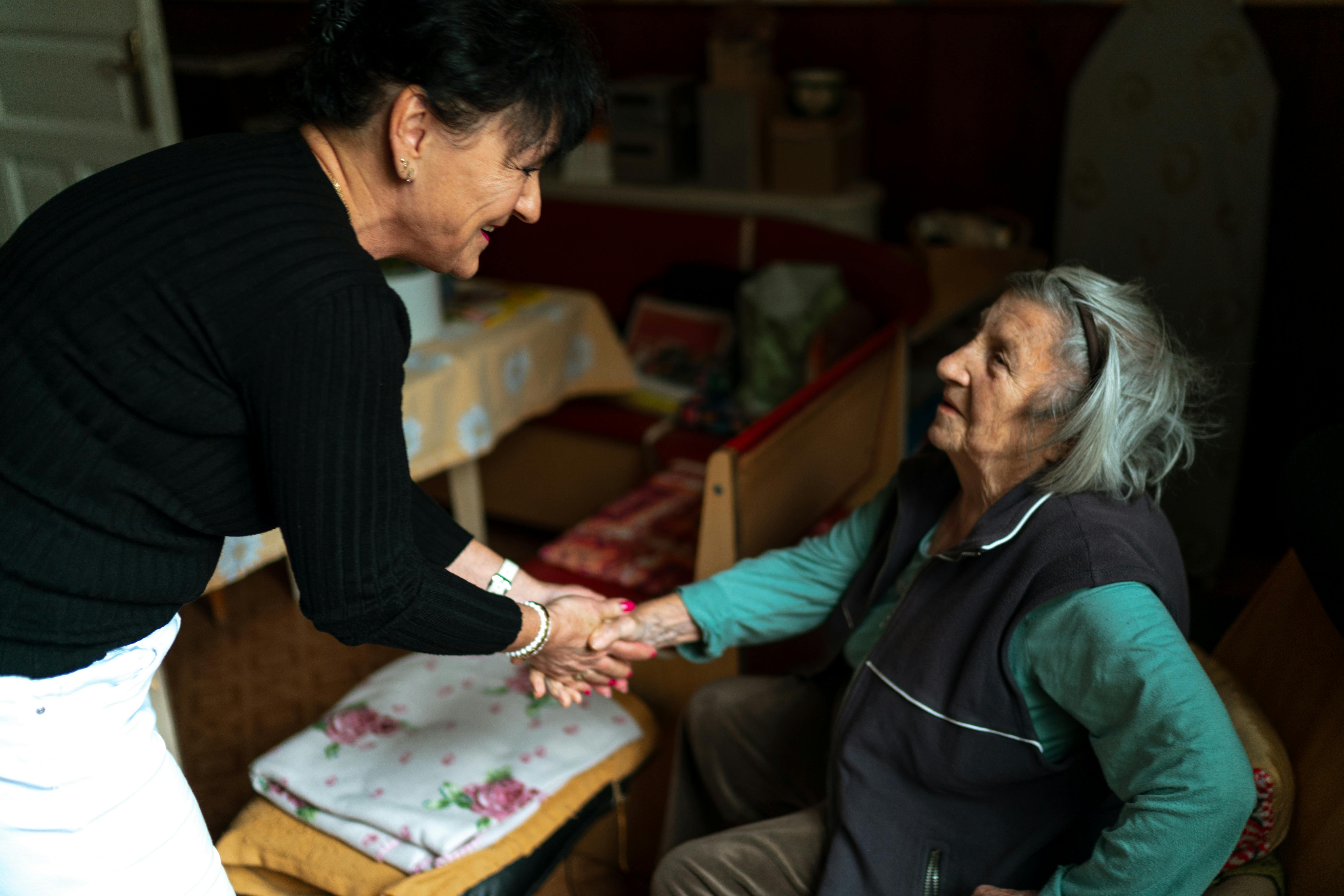
Universal Metro Aging Services (UMAS) has served Illinois families for years, providing compassionate, high-quality home care and adult day services in the Chicagoland area. We work with families to understand their options, navigate funding sources, and build care plans that fit both the senior's needs and the family's budget.
Ready to explore home care options for your loved one?
Contact UMAS today for a free consultation. Our care coordinators will assess your loved one's needs and help you find the right level of support — whether that's in-home care through our Home Care Program, supplemental support through our Adult Day Care Program, or guidance on other community resources.
📞 Call us 847.306.7606 or visit umasinc.com to schedule your free consultation.
Frequently Asked Questions
Is home care cheaper than a nursing home in Illinois?
In most cases, yes. Full-time home care in Illinois typically costs $50,000–$60,000 per year, compared to $90,000–$115,000 for a nursing home private room. Part-time home care is even more affordable. Both options can be partially or fully funded through Illinois Medicaid programs for eligible seniors.
Can someone with dementia receive home care instead of going to a nursing home?
Yes, in many cases. Mild to moderate dementia can often be managed effectively at home with a trained caregiver and structured routines. Adult day programs also provide excellent support for seniors with dementia while giving family caregivers daily respite. Advanced dementia with complex behavioral or medical complications may eventually require skilled nursing facility care.
What does the Illinois Community Care Program cover?
The Illinois Community Care Program (CCP) covers in-home care services (homemaker and personal care), emergency home response systems, and adult day services for eligible seniors. It is funded through Medicaid and is coordinated through local Area Agencies on Aging. UMAS is a participating provider.
Can my loved one start with home care and move to a nursing home later?
Absolutely. Many families start with home care and increase the level of support over time as needs change. Home care is not a permanent commitment — it's a flexible option that can be adjusted, paused, or transitioned as circumstances evolve.
How do I get a free care assessment in Illinois?
You can request a free care assessment through UMAS by visiting umasinc.com/home-care, or by contacting your local Area Agency on Aging. The assessment is typically completed in your home and covers medical, functional, and social needs to help build the right care plan.
Sources: Genworth Cost of Care Survey 2024; Illinois Department on Aging, Community Care Program Annual Report 2023; AARP Home and Community Preferences Survey 2023.